
Japanese incense sticks aesthetic transcends mere fragrance; it’s a meticulously crafted experience encompassing visual artistry, sensory delight, and deep cultural roots. From the intricate patterns on the packaging to the subtle scents and calming ambiance they evoke, this aesthetic invites a journey into a world of tranquility and refined beauty.
This exploration delves into the multifaceted nature of the Japanese incense sticks aesthetic, examining its historical context, design principles, and modern interpretations. We’ll analyze the visual representations, sensory experiences, and cultural significance of this captivating tradition, ultimately offering a comprehensive understanding of its enduring appeal.
Defining the Aesthetic
Japanese incense sticks, orkōro*, transcend mere fragrance; they embody a profound aesthetic rooted in centuries of cultural refinement. This aesthetic draws heavily on principles of minimalism, natural beauty, and spiritual harmony, reflecting Japan’s rich history and philosophy. Beyond the subtle scents, the presentation, materials, and symbolism embedded within the incense contribute to a holistic experience.The aesthetic of Japanese incense sticks is characterized by a delicate balance between simplicity and sophistication.
This manifests in the understated elegance of the containers, the natural materials used in the sticks, and the subtle, often evocative, scents. The focus is on creating an atmosphere of tranquility and contemplation, rather than ostentation or overt display.
Key Elements of the Aesthetic
The aesthetic of Japanese incense sticks is multifaceted, encompassing several key elements. These elements intertwine to create a cohesive and deeply meaningful experience. The selection of natural materials, the minimalist design of the containers, and the evocative scents all contribute to this holistic aesthetic.
Cultural and Historical Influences
The aesthetic of Japanese incense sticks is deeply intertwined with the country’s cultural and historical context. Shinto and Buddhist traditions, for instance, have significantly influenced the use of incense, often associating it with purification, meditation, and spiritual connection. The artistry and craftsmanship associated with the production of incense sticks have also evolved over centuries, reflecting the changing tastes and values of Japanese society.
Types of Japanese Incense Sticks and Their Aesthetics
Japanese incense sticks are categorized into various types, each with its own distinct aesthetic. One prominent type is
- senko*, characterized by its simplicity and natural appearance. These sticks, often crafted from natural materials like wood or bamboo, evoke a sense of rustic charm and natural beauty. Another important type is
- kō*, which employs more complex compositions of fragrances and intricate designs on the packaging, hinting at a more sophisticated aesthetic. The choice of incense type often reflects the occasion or the desired atmosphere. For example,
- senko* might be preferred for everyday use, while
- kō* might be reserved for special events.
Symbolism in Scents and Colors
The scents and colours of Japanese incense sticks are often imbued with symbolic meaning. Certain scents, such as sandalwood, are associated with purity and spirituality. The colours of the incense packaging, often subtle and earthy tones, further reinforce the aesthetic’s connection to nature and minimalism. The symbolism is often subtle but deeply resonant, adding another layer of meaning to the experience of using the incense.
For instance, a particular scent may evoke memories of a specific place or event, adding a personal touch to the experience.
Visual Representations
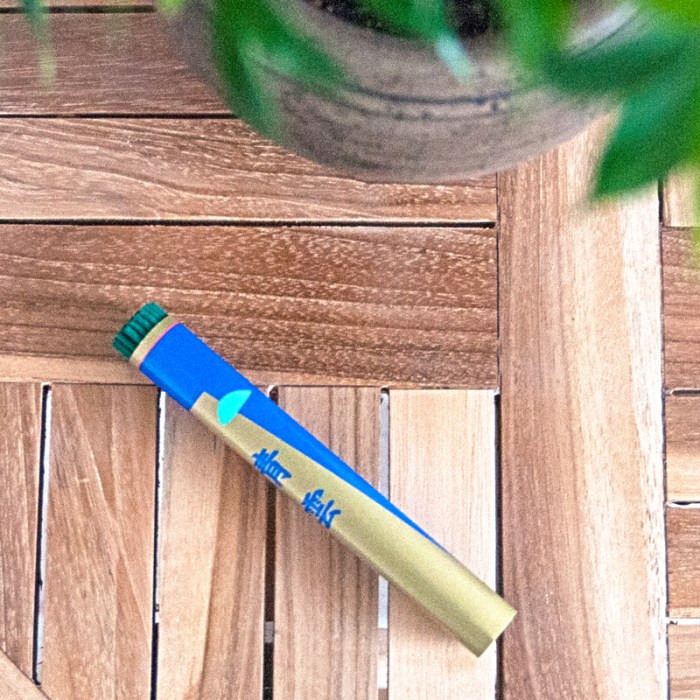
The visual language of Japanese incense sticks, steeped in centuries of tradition, evokes a sense of serenity and contemplation. This aesthetic transcends mere decoration, communicating a deeper connection to nature and spirituality. Its visual cues speak volumes about the intention behind the ritual and the experience it promises.The visual representations of this aesthetic are carefully crafted to convey a sense of tranquility and mindfulness.
The palette, patterns, and textures are meticulously chosen to evoke a specific emotional response, inviting the viewer to pause and reflect. Images, carefully composed with specific lighting and mood, deepen the experience, transporting the viewer to a realm of peace and contemplation.
Visual Elements Table
The following table Artikels key visual elements frequently employed in the Japanese incense sticks aesthetic:
| Category | Example | Color Palette | Patterns and Textures |
|---|---|---|---|
| Incense Sticks | Natural wood tones, often with subtle variations in color | Earthy tones, muted greens, browns, and grays | Wood grain, subtle knots and variations in the wood’s surface, possibly incorporating natural materials like bamboo or silk. |
| Containers | Ceramic, porcelain, or lacquered wood | Muted tones, often inspired by nature (e.g., pale blues, soft pinks, sage greens), or neutral tones like cream or white | Subtle patterns, such as hand-painted designs, or smooth, unadorned surfaces. Potential incorporation of textures like bamboo or rattan. |
| Backgrounds | Nature scenes (e.g., bamboo forests, minimalist landscapes) | Soft, diffused lighting. The light should be subtle and not harsh, highlighting the natural colors of the objects. | Natural textures, such as flowing water, soft mist, or subtle foliage patterns. |
| Overall Impression | Minimalist, serene, and tranquil | A palette emphasizing soft and natural tones, with subdued hues and gradients | Smooth surfaces, natural textures, and subtle patterns. Avoid harsh lines or aggressive textures. |
Image Descriptions
A series of images, meticulously composed, are crucial to capturing the essence of the Japanese incense sticks aesthetic. The following descriptions detail the elements that contribute to the overall mood:
- Image 1: A ceramic incense burner, crafted with a smooth, matte finish in a muted gray-blue tone, sits on a plain, light-beige wooden surface. The light is soft and diffused, highlighting the subtle texture of the ceramic. The burner is positioned centrally in the image, with minimal clutter, emphasizing the simplicity and tranquility of the scene. This evokes a sense of calm and contemplation, almost as if the viewer is invited to pause and reflect.
The composition is minimalistic, focusing solely on the incense burner and its surroundings.
- Image 2: A close-up of an incense stick, meticulously crafted from dark-brown wood, with visible wood grain and subtle knots. Soft, warm light highlights the natural textures, creating a visual metaphor for the connection between nature and the ritual. The image captures the essence of natural materials and the craftsmanship involved in making the incense sticks. The lighting is essential in bringing out the subtle nuances in the wood’s grain and tone.
- Image 3: A bamboo tray, subtly etched with a simple pattern, holds a single incense stick. The background is a blurred image of a bamboo forest, with muted greens and browns. The overall effect is a visual representation of harmony between the natural world and the ritual of incense burning. The shallow depth of field further emphasizes the serenity of the image, focusing the viewer’s attention on the central elements of the tray and the incense stick.
Comparison of Visual Styles
The Japanese incense sticks aesthetic encompasses various visual styles, all rooted in a core principle of simplicity and serenity. While some styles favor stark minimalism, others incorporate subtle patterns and textures. The key difference lies in the intensity and complexity of the visual elements. Minimalist styles emphasize clean lines, neutral colors, and unadorned surfaces. More elaborate styles might feature intricate carvings, vibrant colors, or stylized motifs.
Negative Space
Negative space plays a crucial role in creating a sense of tranquility and openness. In images associated with the Japanese incense sticks aesthetic, negative space often surrounds the primary elements, drawing attention to their presence and enhancing their serenity. This technique creates a visual balance, allowing the viewer to focus on the objects without being overwhelmed by extraneous details.
Images Evoking Tranquility
A collection of images, carefully selected for their composition, lighting, and color palette, can effectively evoke the feeling of tranquility and serenity. These images showcase the power of visual cues to create a calming atmosphere, perfect for enhancing the ritualistic experience of using incense sticks.
Sensory Experiences
Japanese incense, or kōdō, transcends mere fragrance; it’s a meticulously crafted sensory experience that engages multiple facets of perception. The subtle interplay of aroma, visual cues, and tactile sensations creates an atmosphere of tranquility and contemplation, deeply ingrained in Japanese aesthetics. This deliberate manipulation of the senses is integral to the practice’s rich cultural significance.
Typical Scents and Emotional Responses
The scents associated with Japanese incense sticks are diverse and often evocative. Common notes include sandalwood, cedar, pine, agarwood, and various floral accords. These fragrances, often blended with natural ingredients, are carefully chosen to evoke a specific emotional response. For example, the warm, woody aroma of sandalwood often induces feelings of peace and serenity, while the crisp, pine scent might evoke a sense of clarity and focus.
The subtle, floral notes, on the other hand, can evoke a sense of delicate beauty and introspection. The nuanced blending of these fragrances creates a tapestry of scents, each designed to harmonize with the specific moment and context.
Sensory Interplay of Sight, Smell, and Touch
The sensory experience of using Japanese incense sticks extends beyond just the smell. The visual appeal of the incense sticks themselves, with their elegant shapes and often intricate designs, contributes to the overall aesthetic. The soft, smoky plumes that rise from the burning incense add a mesmerizing visual element, particularly when viewed against ambient light. The gentle warmth emanating from the burning sticks offers a subtle tactile sensation, further enriching the overall experience.
The interplay of these visual, olfactory, and tactile elements creates a holistic sensory experience, promoting a sense of calm and introspection.
Role of Ambient Light and Space
The ambient light and the surrounding space significantly influence the overall sensory experience. Dim lighting, such as soft candlelight or carefully diffused natural light, enhances the ethereal quality of the incense smoke and the visual appeal of the burning sticks. A serene, uncluttered space fosters a sense of calm and encourages deeper engagement with the subtle nuances of the fragrance.
The arrangement of furniture and décor within the space should also complement the ambiance created by the incense. Ideally, the environment should be conducive to contemplation and relaxation, maximizing the impact of the incense’s sensory properties.
Sensory Details Table
| Sensory Detail | Description | Examples | Impact on Aesthetic |
|---|---|---|---|
| Sight | The appearance of the incense sticks, the smoke plumes, and the interplay of light. | Elegant shapes, intricate designs, wispy smoke patterns against ambient light. | Creates a visually captivating and serene atmosphere. |
| Smell | The diverse range of fragrances, from woody to floral, and their subtle nuances. | Sandalwood, cedar, pine, agarwood, floral accords. | Evokes specific emotional responses, from serenity to focus, depending on the blend. |
| Touch | The gentle warmth emanating from the burning incense sticks. | Soft, warm sensation on the skin. | Adds a subtle tactile element to the experience, reinforcing the overall sense of calm. |
| Sound | The soft crackling and sputtering sounds produced by the burning incense. | Gentle, rhythmic sounds of the burning incense. | Adds a subtle auditory dimension, further enhancing the sense of tranquility and peace. |
| Temperature | The warmth of the incense and its surroundings. | Warm air, soft warmth on the skin from the incense. | Contributes to a cozy and comforting environment, enhancing relaxation. |
Cultural Context
Incense, a ubiquitous presence in Japanese culture, transcends mere aesthetics. Its role extends far beyond perfuming a space; it’s deeply interwoven with rituals, ceremonies, and historical significance. From ancient traditions to contemporary practice, incense in Japan reflects a profound connection to nature, spirituality, and social harmony. The carefully chosen materials, methods of preparation, and contexts of use each hold specific cultural weight.Japanese incense use is not simply about creating a pleasant aroma; it’s about evoking a specific atmosphere, reinforcing social hierarchies, and honoring traditions.
The cultural context surrounding incense provides invaluable insights into the societal values and beliefs of Japan.
The Role of Incense in Japanese Culture and Traditions
Incense plays a crucial role in Japanese ceremonies and rituals, often signifying purification, respect, and reverence. Its use is deeply rooted in the nation’s history, interwoven with religious practices and social customs. The aromatic experience is meant to elevate the spirit and create a conducive atmosphere for contemplation and reflection.
Examples of Incense Use in Japanese Ceremonies and Rituals
Japanese incense use extends across various ceremonies, each with its specific significance.
- Shinto Shrines: Incense is commonly burned at Shinto shrines as a form of offering to the kami (deities). The scent is believed to purify the space and facilitate communication with the divine. The specific types of incense and their placement within the shrine are carefully prescribed, emphasizing respect for tradition.
- Buddhist Temples: Incense is burned in Buddhist temples to create a serene atmosphere conducive to meditation and prayer. Different types of incense are used for different purposes, reflecting the various aspects of Buddhist teachings. The act of burning incense is itself a meditative practice, focusing the mind on the present moment.
- Tea Ceremonies (Chanoyu): The selection and use of incense in tea ceremonies are crucial for setting the proper atmosphere and conveying respect. The delicate scents of incense enhance the aesthetic experience, aligning with the ritual’s emphasis on tranquility and mindfulness.
Comparison of Incense Use in Japanese and Other Cultures
While incense is used globally, its role and significance vary considerably across cultures. In Japan, the focus is often on the subtle, nuanced fragrances and the ritualistic aspects of the practice. Contrast this with, say, the use of incense in Middle Eastern or Southeast Asian cultures, where the focus might be on bolder, more pronounced scents and their connection to specific spiritual or social events.
The Japanese approach prioritizes the meditative and contemplative qualities of the incense experience.
Historical Significance of Incense in Japan
The use of incense in Japan dates back centuries, deeply entwined with the country’s rich history and cultural development. Early forms of incense were likely derived from local materials, and their use evolved alongside religious and social structures. The introduction of new incense types and techniques from other cultures further enriched the Japanese tradition.
Significance of Materials Used in Japanese Incense Sticks
The materials used to craft Japanese incense sticks are meticulously selected, each carrying cultural and symbolic weight. For instance, certain woods or herbs are associated with specific properties, impacting the incense’s aroma and meaning. The preparation methods, including the specific blend of ingredients and the burning process, all contribute to the unique experience of each incense stick.
- Wood: Different types of wood, such as sandalwood, offer various aromatic qualities. The selection of wood often reflects the desired atmosphere and the intended purpose of the incense.
- Herbs and Spices: Herbs and spices like mugwort and cinnamon are frequently used to complement the overall scent profile and potentially enhance the spiritual or ritualistic meaning.
Design Principles
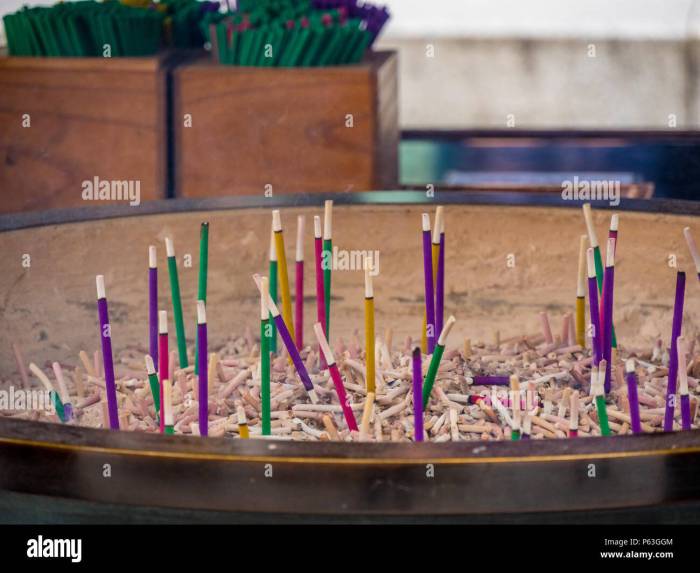
Japanese incense stick packaging and presentation embody a deep respect for tradition and artistry, reflecting a philosophy of understated elegance and meticulous craftsmanship. This meticulous approach extends beyond the incense itself, shaping the aesthetic experience from the moment the product is encountered. The careful consideration of materials, form, and symbolism underscores the importance of sensory engagement and cultural resonance.
Key Design Principles
Japanese design principles, deeply rooted in centuries of aesthetic practice, prioritize harmony, balance, and simplicity. These principles, known collectively as “侘び寂び” (wabi-sabi), are evident in the understated elegance and natural beauty found in the presentation of incense sticks. The emphasis on imperfection and the appreciation of natural materials contribute to the overall aesthetic appeal.
- Emphasis on Natural Materials: Traditional Japanese aesthetics often favor natural materials like wood, bamboo, paper, and silk. These materials are often left unadorned, allowing their inherent beauty and textures to shine through. This natural approach is seen in the use of wood for boxes, bamboo for holders, and natural pigments for paper wrapping. The inherent beauty of the material is valued over elaborate decoration.
- Minimalism and Simplicity: The design often prioritizes minimalism, avoiding clutter and unnecessary embellishments. Clean lines, muted colors, and subtle patterns create a serene and uncluttered atmosphere. The simplicity allows the scent of the incense to be the primary focus, with the packaging acting as a complement rather than a distraction.
- Balance and Harmony: The design strives for visual balance and harmony. Elements are carefully arranged to create a sense of equilibrium and proportion. Symmetrical compositions and the use of negative space are common, ensuring a harmonious relationship between the packaging and its contents.
- Cultural Symbolism: Japanese aesthetics often incorporate subtle cultural symbolism. For instance, the use of specific patterns or colors might allude to particular traditions, values, or spiritual concepts. These subtle cues enhance the cultural resonance of the product.
Aesthetic Considerations for Presentation
The presentation of Japanese incense sticks is meticulously crafted to evoke a sense of tranquility and contemplation. The design often focuses on the tactile experience, inviting the user to interact with the product on a deeper sensory level. The use of natural materials and minimalist design further reinforces this connection.
- Color Palette: Muted tones, such as earthy browns, greens, and grays, are frequently employed, echoing the natural world. The use of subtle color gradients and nuanced tones contributes to a serene and tranquil aesthetic.
- Shape and Form: Shapes often derive inspiration from natural forms, such as flowing lines or organic curves. The packaging may take the form of a simple box, a delicate container, or a carefully constructed holder, each designed to complement the natural beauty of the incense.
- Texture and Feel: The use of natural textures, such as the smooth surface of polished wood or the gentle roughness of unvarnished bamboo, adds another layer of sensory experience. The choice of material influences the tactile quality of the presentation.
Balance and Harmony in the Aesthetic
The balance and harmony in Japanese incense stick aesthetics extend beyond visual elements. They encompass a deeper connection to nature and a celebration of simplicity. The interplay between these elements contributes to the overall tranquility and spiritual experience associated with the product.
Examples of Traditional Aesthetics in Modern Designs
Contemporary designers frequently draw inspiration from traditional Japanese aesthetics. This often involves incorporating minimalist design principles, using natural materials, and creating a sense of balance and harmony. The goal is to create a product that feels both familiar and fresh. For instance, a modern incense stick box might utilize natural wood with a simple, elegant design, while incorporating subtle Japanese patterns or symbols.
Comparison of Traditional and Contemporary Designs
| Feature | Traditional Design | Contemporary Design |
|---|---|---|
| Materials | Natural wood, bamboo, silk, paper | Natural materials with modern finishes; recycled or sustainable alternatives |
| Color Palette | Earthy tones, muted colors | Muted tones with subtle color variations; use of subtle metallic accents |
| Shape and Form | Simple, organic shapes inspired by nature | Simple shapes with subtle modern interpretations; functional designs |
| Decoration | Subtle patterns, traditional motifs, minimal symbolism | Contemporary interpretations of traditional motifs; incorporation of minimalist art |
| Overall Aesthetic | Serene, contemplative, traditional | Serene, contemplative, contemporary interpretation of traditional |
Modern Interpretations
The enduring allure of Japanese incense sticks, rooted in centuries of tradition, has found new expression in contemporary art and design. Modern artists and designers are reimagining the aesthetic, incorporating innovative materials and techniques while retaining the core principles of minimalism, serenity, and spiritual connection. This evolution reflects a broader trend of integrating traditional aesthetics into contemporary contexts, creating pieces that are both timeless and relevant.Contemporary interpretations of Japanese incense sticks aesthetics often prioritize a fusion of traditional motifs with modern design sensibilities.
This approach emphasizes functionality and beauty, creating objects that serve a purpose while also adding an element of visual interest to modern spaces. These adaptations aren’t mere superficial changes but rather a genuine engagement with the historical context, striving to maintain the essence of the aesthetic while embracing new possibilities.
Modern Material Applications
Contemporary designers are employing a wide range of materials, often combining traditional ones with modern alternatives, to achieve new aesthetic expressions. This exploration of materials highlights the versatility of the Japanese incense aesthetic.
- Ceramic and Porcelain: Modern ceramicists and porcelain artisans are creating vessels for incense sticks that feature intricate patterns inspired by traditional Japanese motifs, but executed with contemporary glazes and techniques. These vessels can range from simple, elegant forms to elaborate, almost sculptural pieces, showcasing the skill of modern artisans while still evoking the sense of serenity associated with traditional designs.
- Wood and Bamboo: Wood and bamboo, integral to traditional Japanese aesthetics, continue to be prominent in modern interpretations. However, the use of exotic woods and innovative woodworking techniques creates a contrast with traditional methods, producing pieces with unique textures and modern designs. For example, a modern incense holder might feature a bamboo structure with a sleek, geometric design, highlighting the natural material while incorporating modern form.
- Metalwork: Metalwork, particularly brass and copper, is being used in modern incense holders with intricate laser-cut designs or sculpted surfaces. These metallic pieces often have a polished or brushed finish that emphasizes the reflective qualities of the material, contrasting with the earthy tones of traditional incense holders. This modern approach can create a sense of sophistication and elegance, bringing a new dimension to the traditional aesthetic.
Influence on Contemporary Design Trends
The Japanese incense aesthetic, in its modern interpretations, has demonstrably influenced contemporary design trends in several key areas.
- Minimalism: The emphasis on simplicity and uncluttered design in the Japanese aesthetic continues to resonate in modern interiors. Contemporary furniture and home décor often borrow elements of minimalism from this tradition, emphasizing clean lines, natural materials, and a sense of calm.
- Emphasis on Natural Materials: The appreciation for natural materials like wood, bamboo, and stone, deeply rooted in Japanese tradition, has significantly influenced modern design choices. This focus on sustainable and environmentally conscious materials is reflected in a wide range of contemporary products, including furniture, jewelry, and home accessories.
- Spiritual Connection and Serenity: The emphasis on creating a space conducive to meditation and contemplation, a central theme in Japanese incense practices, has translated into contemporary design trends. Contemporary spaces are often designed to foster a sense of calm and serenity, employing similar principles of minimalist aesthetics and natural materials to promote a more meditative environment.
Comparison with Traditional Approaches
Modern interpretations of the Japanese incense aesthetic often incorporate elements of traditional approaches while simultaneously embracing new materials and techniques.
| Aspect | Traditional | Modern |
|---|---|---|
| Materials | Primarily natural materials like wood, bamboo, and clay | Combination of traditional and modern materials like wood, bamboo, ceramic, metal, and glass |
| Design | Often featuring intricate patterns and symbolic motifs | Emphasis on clean lines, minimalist forms, and geometric patterns |
| Function | Primarily for ritualistic purposes | For both ritualistic and decorative purposes, creating a focal point in a modern space |
Practical Applications
Japanese incense sticks, with their intricate aesthetic and profound cultural significance, offer a compelling way to enhance any home environment. Beyond their visual appeal, the practice of using them fosters a tranquil atmosphere, inviting relaxation and mindfulness into daily life. The gentle fragrance, carefully selected for its properties, can transform a space into a haven of serenity.
Incorporating the Aesthetic into Home Environments
The aesthetic of Japanese incense sticks can seamlessly integrate into various home designs, regardless of style. Their minimalist forms, often featuring natural materials like bamboo or wood, complement contemporary and traditional interiors alike. Consider incorporating subtle elements such as incense holders crafted from ceramic, stone, or metal, positioned strategically on shelves, mantelpieces, or tables. These holders, when combined with the gentle glow of the burning incense, create a warm and inviting ambiance.
Interior Design Examples
Japanese incense sticks can be a key element in a serene bedroom or a meditative corner within a living room. In a contemporary living room, a sleek, minimalist incense burner, perhaps made of polished black granite, can be placed on a coffee table, complementing the overall design. In a traditional Japanese-style living space, a handcrafted ceramic incense holder with intricate patterns can serve as a focal point, enhancing the cultural immersion of the room.
Selecting and Using Japanese Incense Sticks
Choosing the right incense sticks involves considering both fragrance and quality. High-quality Japanese incense sticks, often made with natural ingredients, offer a more profound and nuanced scent experience. Before lighting, ensure the incense stick is positioned securely within its holder to prevent accidental fires. Allow the incense to burn slowly, avoiding rapid or excessive flames. Consider the fragrance profile; some scents are more suited to specific environments or times of day.
Avoid placing the incense near flammable materials.
Enhancing a Relaxing Atmosphere
The gentle, aromatic smoke of Japanese incense sticks can significantly contribute to a relaxing atmosphere. The calming scents, such as sandalwood or cedarwood, can ease stress and promote a sense of tranquility. The subtle, ambient fragrance creates a comforting backdrop for quiet contemplation, relaxation, or focused work. The act of lighting and observing the incense can be a meditative practice in itself, encouraging mindfulness and a deeper connection with the present moment.
Design Proposal for a Space Incorporating the Japanese Incense Sticks Aesthetic
| Element | Material | Description |
|---|---|---|
| Incense Burner | Hand-carved Bamboo | A simple, elegant burner with a natural, warm aesthetic, positioned on a low, wooden side table. |
| Incense Sticks | Premium Sandalwood | Subtle, calming scent, enhancing the overall relaxation. |
| Lighting | Ambient LED String Lights | Soft, warm glow to complement the incense smoke, creating a serene ambiance. |
| Walls | Light Gray/Beige | Creates a backdrop that allows the incense aesthetic to stand out. |
| Seating | Tatami Mats | Provides a traditional, grounding element to the space, fostering a sense of calm and tranquility. |
The space described aims to create a sanctuary of peace and mindfulness. The careful selection of materials and placement of elements evokes a sense of harmony and tranquility, making the space ideal for meditation, relaxation, or quiet contemplation.
Comparison with Other Aesthetics
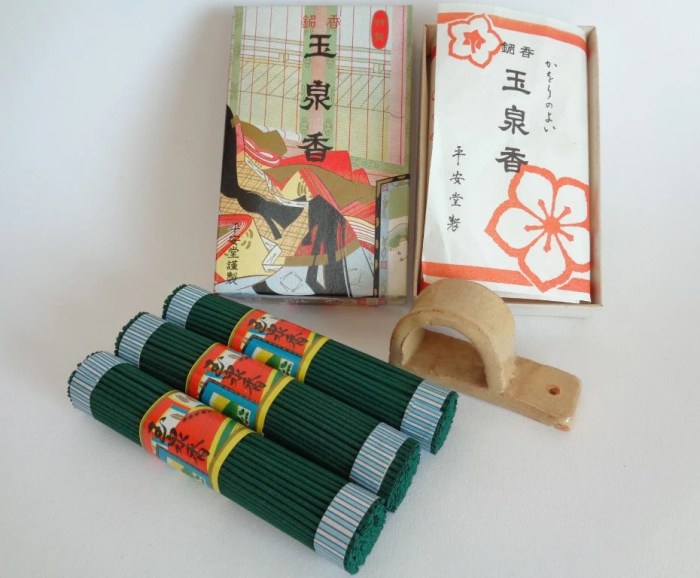
The Japanese incense sticks aesthetic, deeply rooted in centuries of tradition and philosophy, presents a unique blend of visual and sensory experiences. Comparing it to other aesthetics like minimalism and Zen reveals both shared ground and distinct characteristics, offering insights into its enduring appeal and influence on design. This comparison highlights the aesthetic’s unique approach to simplicity, tranquility, and the integration of natural elements.The Japanese incense sticks aesthetic, while sharing some common ground with minimalist and Zen aesthetics, distinguishes itself through its subtle emphasis on the ritual and sensory experience of fragrance.
While minimalism focuses on reducing visual clutter, the Japanese aesthetic incorporates a more nuanced engagement with the subtle, focusing on the transformative power of scent and the ephemeral nature of experience.
Commonalities with Minimalist and Zen Aesthetics
The Japanese incense sticks aesthetic shares core principles with minimalism and Zen. Both prioritize simplicity and a reduction of extraneous elements. The focus on clean lines and uncluttered forms in incense stick containers and accompanying objects reflects a shared emphasis on visual purity. Both aesthetics also emphasize the importance of natural materials, further enhancing the connection to nature and the inherent beauty of simplicity.
Differences and Distinguishing Characteristics
While sharing some common ground, the Japanese incense sticks aesthetic possesses unique features that set it apart. The emphasis on the transformative power of scent, the ritualistic aspects of burning incense, and the evocative associations with specific scents create a distinct sensory experience. Zen aesthetics, for instance, often focus on meditation and achieving inner peace, while the Japanese incense aesthetic emphasizes the role of the senses in spiritual practice and aesthetic appreciation.
The minimalist aesthetic often relies on a strict reduction of visual elements, whereas the Japanese aesthetic employs a more nuanced approach to subtlety, integrating visual and olfactory elements in harmony.
Influence on Other Design Elements
The Japanese incense sticks aesthetic’s influence extends beyond the realm of incense burners. Its emphasis on simplicity, natural materials, and the integration of sensory experiences has impacted a broad range of design elements. For instance, the use of natural wood and muted color palettes, characteristic of this aesthetic, has found its way into furniture design, interior decoration, and even fashion.
The emphasis on subtle beauty and the appreciation of natural processes are reflected in the development of contemporary products and designs.
Comparative Table of Aesthetics
| Aesthetic | Key Principles | Visual Focus | Sensory Emphasis | Cultural Context |
|---|---|---|---|---|
| Japanese Incense Sticks | Simplicity, ritual, natural materials, scent | Clean lines, muted colors, natural forms | Scent, texture, visual appreciation of the burning process | Buddhist and Shinto traditions |
| Minimalism | Simplicity, functionality, clean lines | Clear forms, uncluttered spaces, limited colors | Focus on visual purity | Modern design philosophy |
| Zen | Meditation, peace, serenity, contemplation | Natural forms, minimalist elements, often with a sense of stillness | Inner peace, mindfulness | Buddhist philosophy |
Potential for Future Development
The Japanese incense stick aesthetic, steeped in centuries of tradition, is poised for a dynamic evolution. Emerging trends in design, material science, and consumer preferences are creating exciting possibilities for its future trajectory, while simultaneously presenting challenges to preserving its core values. The potential for innovative interpretations and applications is vast, spanning from high-end artisan creations to accessible everyday products.The future of this aesthetic hinges on its ability to adapt to changing societal values and embrace new technologies without sacrificing its intrinsic cultural significance.
The key will be a careful balancing act between innovation and tradition.
Potential Directions for Evolution
The Japanese incense stick aesthetic has historically been closely tied to specific cultural and philosophical values. As societies evolve, the aesthetic may embrace new interpretations. For example, a resurgence of interest in sustainability could drive a greater focus on eco-friendly materials and production methods. Simultaneously, a heightened awareness of mental well-being could see the aesthetic utilized in wellness-focused spaces, incorporating aromatherapy and personalized scent experiences.
Emerging Trends Influencing the Future
Several emerging trends are shaping the landscape of the incense stick market. The rise of personalized experiences is leading to customized scent blends tailored to individual preferences. The growing demand for ethically sourced materials is also prompting the exploration of sustainable alternatives to traditional ingredients. The integration of technology into daily life is creating opportunities for interactive scent experiences, such as personalized aroma diffusers connected to smart home systems.
New Materials and Techniques
The exploration of novel materials and techniques is crucial to the aesthetic’s future. Biodegradable materials, derived from plant-based sources, could replace traditional ingredients, creating a more environmentally conscious approach. Innovative techniques in fragrance blending, using advanced scientific methods, could unlock entirely new scent profiles and deepen the sensory experience. This could involve incorporating natural extracts with unique chemical compositions or synthesizing novel aromatic compounds.
Adaptation to Different Cultural Contexts
The global appeal of Japanese aesthetics, including the incense stick tradition, is undeniable. However, successful adaptation requires understanding and respecting local preferences and cultural nuances. For example, incense sticks could be adapted for use in different religious or spiritual practices, or incorporated into secular rituals and celebrations, as seen in modern art installations. Careful consideration of the cultural context is vital to avoid misinterpretations and ensure respectful adaptations.
Role of Technology in the Future
Technology will undoubtedly play a significant role in shaping the future of the Japanese incense stick aesthetic. Smart incense burners could allow users to customize scent intensity, duration, and even the overall atmosphere of a space. Connected devices could offer personalized recommendations based on user preferences and current moods. The integration of virtual reality and augmented reality could provide immersive sensory experiences, transporting users to different environments and times through unique scents.
Epilogue
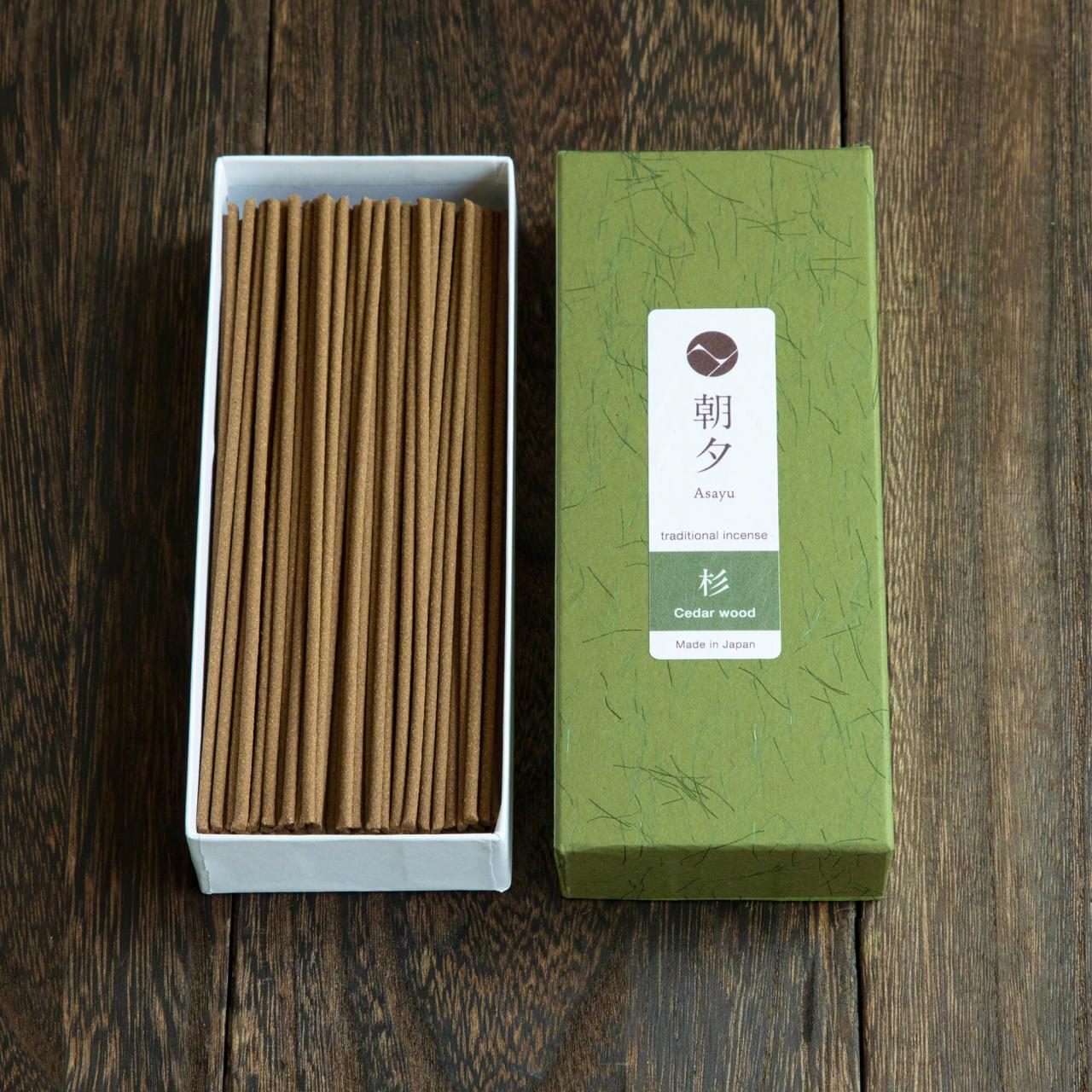
In conclusion, the Japanese incense sticks aesthetic is a powerful blend of tradition and innovation, seamlessly integrating artistry, culture, and sensory experience. The meticulous design principles, historical context, and diverse interpretations showcase its enduring relevance in contemporary design. This aesthetic offers a pathway to tranquility and a profound appreciation for the beauty found in subtle details.
